Home Blog Page 15

How can sport eliminate its waste problem?

0

With the tournament dates for Season 4 of DP World ILT20 now announced, and planning for the season in full swing, this blog takes a look at the work being done in sport to reduce waste, and how it can go further to contribute to a waste-free society.

There are many ways to reduce waste, starting with reducing how much is consumed, reusing things for longer so you need to consume less overall, recycling to return the materials back to production, recovering to capture the energy in the item so it can be used for something useful (like electricity), and then finally, if there is still anything left (which hopefully there isn’t!), disposing.

Reducing Waste at Sports Events

At sports events, there are many opportunities to become waste-free. The biggest opportunity comes with reducing waste. Reusable cups, cutlery, and plates are all becoming more commonplace in sports, with events using fun designs on cups to encourage fans to use them. Food waste is another big issue globally, and sports events are no different. Taking steps to reduce food waste by working with local organisations who can distribute unused food, and using systems to monitor food procurement is key to addressing this. Finally, grass clippings is another form of waste, and one that is often overlooked. Using equipment which drops these clippings back on the pitch can help keep nutrients in the pitch. Grass clippings can also become energy through a process called anaerobic digestion. This is a biological process where microorganisms break down organic material, (e.g., grass), in an air-tight environment without oxygen. The end product is biogas, a renewable energy source, and a nutrient-rich fertiliser called digestate.

DP World ILT20 has also reduced another form of waste that’s overlooked, and that’s paper tickets. Our League uses digital tickets as standard, helping to save paper. However, one area that could still be improved is food & drink.

Desert Vipers don’t control food & drink at our home stadium, so we don’t yet have reusable cups in the Dubai Stadium, but we wanted to do something positive for sports and reduce waste. We therefore sponsored 350 cups for Woodhall Spa Cricket Club, a community cricket club in the UK (which is also the home club of our Development Lead, Jack Luffman), when they held their Cricket Festival weekend.

Finally, if reusable items can’t be used, using better materials can reduce the environmental impact from material use, even if the same quantity of material is used. An example of this is at Wimbledon where they used seaweed packaging for their strawberries and cream. Closer to home, and in DP World ILT20, we switched to wooden cutlery in hospitality for virtually all of Season 3, after a successful trial at our Season 2 Sustainability Match.

Reducing Waste in Sports Kit
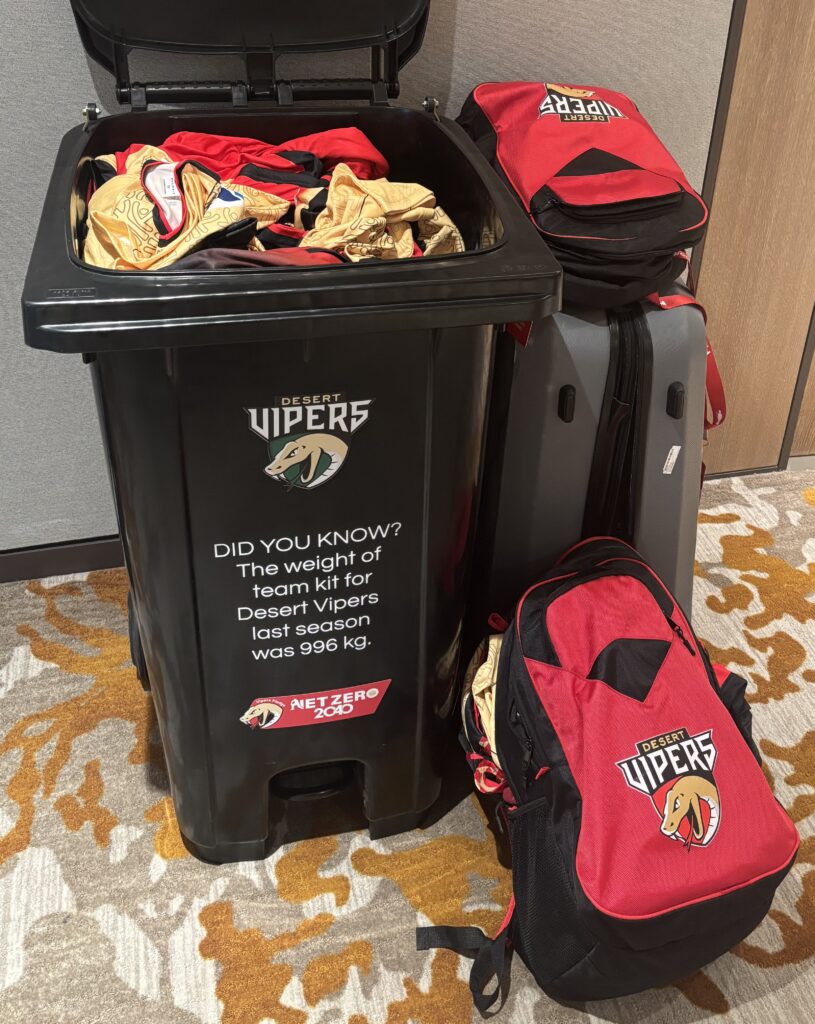
Onto something that isn’t commonly thought of when it comes to waste – sports kit. When we conducted our world first (we think!) Plastic Impact Report in Season 2, we found that 94% of our plastic came from sports kit. All of the work we had done to reduce plastic in drinks was important, but if we wanted to make an even bigger impact, we had to look at sports kit.

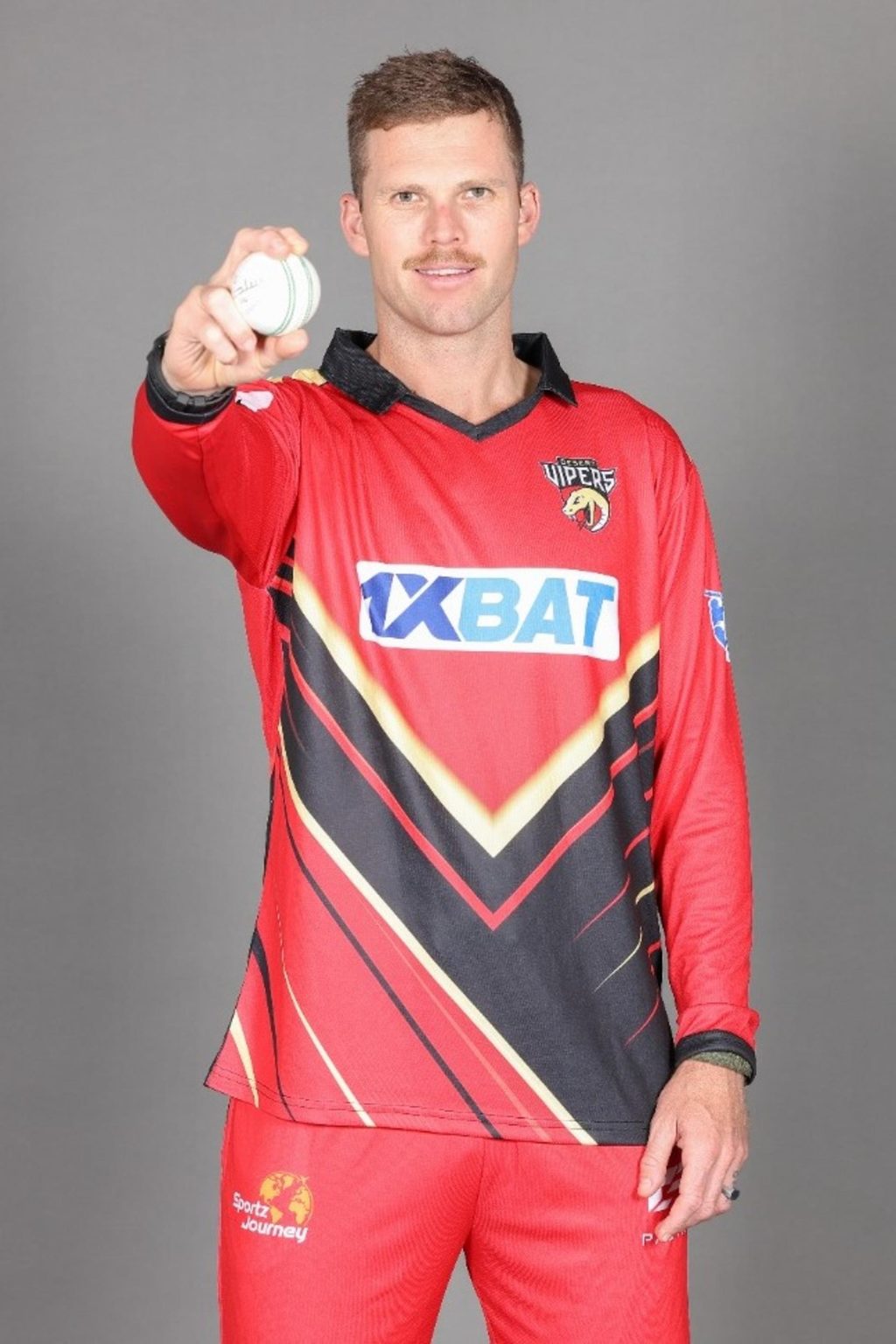
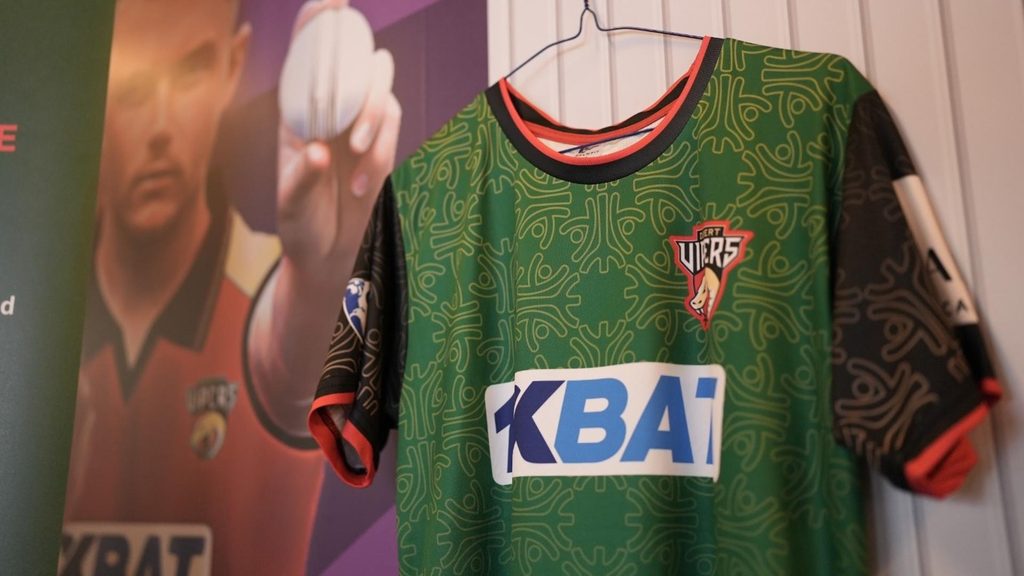
Between seasons 2 and 3, we partnered with PALMFIT to switch to fully recycled materials in our performance kit. However, we also looked at how we could reduce the amount of kit we needed, therefore reducing waste. We did this through two main ways:

  • We reduced personalisation in clothing, which allowed us to reduce the amount of kit we needed by around 30%! Simple things like using luggage tags instead of embroidering, or not putting initials on staff items made a huge difference. We also evaluated which items provided value to partners, and where the value was minimal we decided to not place partner logos on those items, which typically change from season to season. 
  • We had every item packaged loosely, which saved 49,270 pieces of single-use plastic packaging, saving 246 kg of plastic.

Finally, once items are made, it is vital to keep them in circulation for as long as possible to reduce the need to purchase new items. Using generic designs can enable items to be reused from season to season. 

However, where sponsors change or team members leave, the kit may not be able to still be used by sports organisations, so it’s important to do something positive with the material. At Desert Vipers, we donate unused items to people who need it, through a partnership with Bat For A Chance. This ensures our kit gets a second life, whilst also providing access opportunities for those who need our clothing.

For some items, especially those that can’t be reused, we upcycle them into new items. Last year, we worked with Middlesex University Dubai to turn polo shirts into sunglasses cases, pencil cases, washing bags, laptop/tablet cases, and bucket hats. These were really cool!

Setting the Example on the Pitch
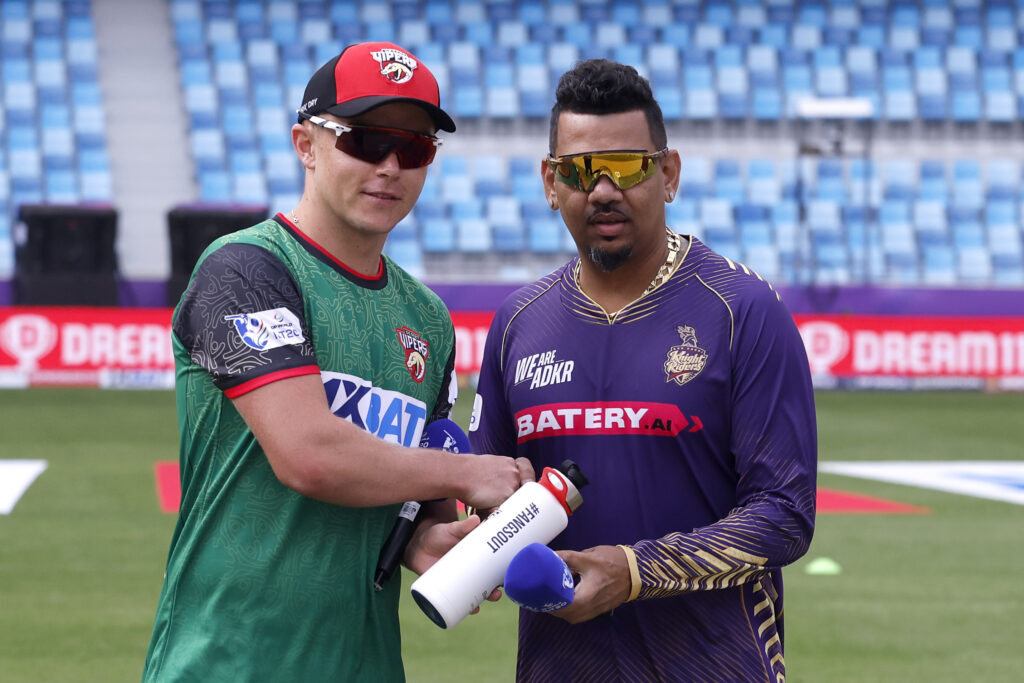
Sam Curran of Desert Vipers and Sunil Narine of Abu Dhabi Knight Riders at the toss during the match 9 of the DP World International League T20 between the Desert Vipers and the Abu Dhabi Knight Riders held at the Dubai International Cricket Stadium, Dubai, United Arab Emirates on the 18th January, 2025. Photo by Pankaj Nangia / CREIMAS / ILT20 RESTRICTED TO EDITORIAL USE

As important as it is to reduce the amount of waste sports organisations produce, perhaps of equal importance is setting an example for the rest of society to follow, given how highly valued sports is in society. Too often, the best athletes or coaches in the world are seen doing things unsustainably, and perhaps the most visible example is when they are seen drinking from single-use plastic bottles. This is particularly prevalent in the Premier League, where at any given match, you will likely see the manager drinking from a single-use plastic bottle just after their team scores or concedes. This is highly frustrating to see, as it sets the wrong example, and undermines all the other good work often being done by those organisations!

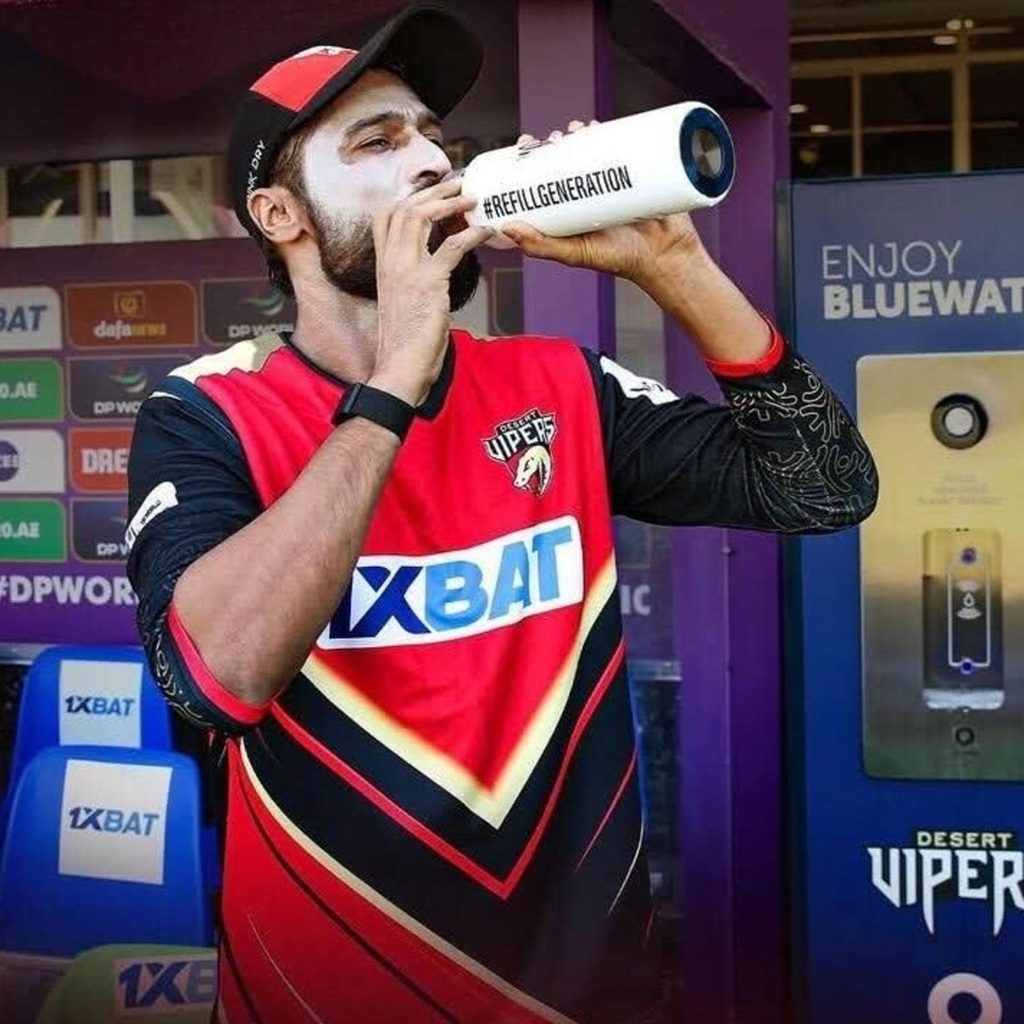
At Desert Vipers, we create conditions where our players can set an example, becoming the first cricket franchise in the world to successfully eliminate single-use plastic water bottles from our team environment, in partnership with Bluewater Group. You won’t see our players drinking out of single-use plastic water bottles! This saves 14,400 bottles per year, but more importantly it sets the example to our hundreds of millions of TV viewers. 

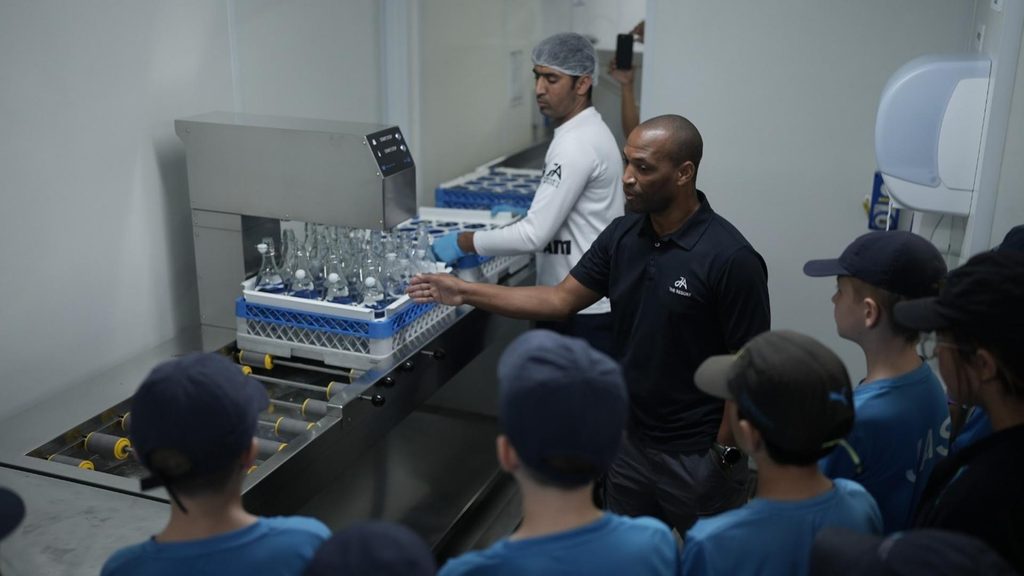
To allow us to achieve this, we need a supportive environment from our coaches and management staff, which we are very fortunate to have. We also need to create environments where it becomes natural and the preferred choice to use the more sustainable option, and this is where our Team Hotel, JA The Resort, comes in. JA Resorts & Hotels were the first hospitality brand in the region to install water bottling systems to eliminate single-use plastics. Implementing this system has resulted in an estimated saving of 3.4 million pieces of single-use plastic so far! So it’s really easy to make the right choice when it comes to water bottles at our Team Hotel.

Can Sport Realistically Become ‘Zero Waste’?

Sport has a complex relationship with material use, so there needs to be myriad changes in order to achieve zero waste from events. However, perhaps the biggest changes required will come from a paradigm shift in what sports is for and how its revenues are generated. Switching from a material-based model, reliant on selling memorabilia, to a digital-based model, reliant on selling experiences, may ultimately be the biggest lever in moving sports towards zero waste. Emerging technology can make this possible, so it’s an exciting time to address this problem, with plenty of opportunities now and in the future. 

Sustainability Spotlight – PALMFIT

This blog’s Sustainability Spotlight features PALMFIT, a UAE-born organisation, founded in 2020. PALMFIT joined as a Partner to Desert Vipers in Season 3, and worked with us as we became the first cricket team to play a full season using 100% recycled materials in our performance wear! PALMFIT believes that exercise is more than just looking good – it’s about feeling good. Their products, which are authentic, bold, and resilient,  are created with you in mind. What’s more, is that their clothing is print-on-demand, incredibly high-performance, and uses quality materials, so they last longer (contributing to less waste). We would highly recommend PALMFIT to any sports organisation or individual.

About Carbon Happy World

At Carbon Happy World, we’re dedicated carbon accountants and ESG software consultants. We empower businesses to measure, manage, and significantly reduce carbon emissions. By providing a range of innovative solutions and insights, we help organisations achieve their carbon net zero goals and genuinely enhance their sustainability practices. As at Carbon Happy World every calculation starts a conversation. 

Head Coach James Foster confident it’s third time lucky for the Vipers

0

Head Coach James Foster believes that the Desert Vipers strategy for season four of the DP World ILT20 has all the ingredients to build a successful campaign.

Speaking to the Vipers Voices podcast, Foster said that although the complete squad will only be announced following October’s inaugural auction for the tournament, he was optimistic about the existing strategy and preparations. 

He said: “I am confident in our franchise and our team, given our considerable success over the first three seasons.  Yes we did not get over the line (in season three, losing in the final to the Dubai Capitals), but I believe that if we keep doing the simple things well with the type of cricketers that we currently have and the type of cricketers that I believe we will get (via the auction), and the style of players that we will be looking to go for in the auction, we will have a formidable side. 

“In theory, we will have all the ingredients to go and play really well this campaign. We have got every confidence in the players that we will have because – it is not just about numbers for us, it is also the personality and what they are going to bring to the group and what they will add to the environment. And that is an important part.

“Tanish Suri is a very exciting young player. He has got a lot of skill. He is very determined, wants to grow and wants to get better”

“So with our planning, we believe we will acquire those types of players and characters who are going to give us a great chance to be successful this season.”

The Desert Vipers will open the DP World ILT20 season four against defending champions Dubai Capitals on December 2. Unlike last season, all their group matches are evening games, and they will have two sets of back-to-back fixtures. 

Head Coach James Foster is unconcerned about any negative impact from this schedule: “It is always nice not to have back-to-back games, because of the little bit of travel involved and the late finishes. But it is par for the course. We have had it in the past. Players have it in other leagues as well. So, it is quite normal. It will not shock people. And that is the schedule that we have, and we will be planning accordingly.”

Speaking about the impact on players of playing during Christmas time and the holiday season, Foster added he expected it to be very enjoyable: “We really believe in creating a positive environment for the team.

“It gives players a great opportunity to spend time with their families during playing one of the best competitions around the world. To have family around during Christmas is gold dust. But it is also an opportunity for us as a team to bond that little bit closer.”

Looking back at the Desert Vipers’ performance in the ILT20 Development Tournament Foster said he, along with Director of Cricket Tom Moody and team CEO Phil Oliver, had watched the competition closely via the streaming service. He was especially impressed with the team’s only retained UAE player Khuzaima Bin Tanveer as well as wicketkeeper-batter Tanish Suri, who led the side. 

Foster told Vipers Voices: “I was delighted with how the team operated in really tough conditions. I think one of the standout things was not just the way that we played as a development side but also the fact that the quality of the cricket on show in the UAE was of the highest class. 

“Also bear in mind the UAE national team were playing at the time (because of a Twenty20 International tri-series with Afghanistan and Pakistan). So there were fifteen or sixteen of their best players in theory, not there. So that is really a good sign for UAE cricket.

“We were super impressed with the way that Khuzaima Bin Tanveer drove the standards. As a quality player, and someone who knows he is going to come back into ILT20 team with the Desert Vipers, a show of character was key. 

“It would have been easy potentially for him to go ‘I am just going to sit back and just chill and just go through the motions.’ But he drove it, which is a great sign for us and a great sign for Khuzaima. I mean, what a player he is.

“Tanish Suri is also a very exciting young player. He has got a lot of skill. He is very determined, wants to grow and wants to get better. And it was a really nice opportunity for him, not just to showcase his skills, but also his leadership within the Development Tournament.  

“You forget that he is so young. And he is eager, he is hungry, he wants to grow, wants to learn, which are some great attributes to have.”

Desert Vipers off to winning start in ILT20 Development Tournament

0

Dubai, UAE (August 25, 2025) – The Desert Vipers team kicked off their campaign in the ILT20 Development Tournament at the ICC Academy with a sensational one-wicket win over the Dubai Capitals. 
 
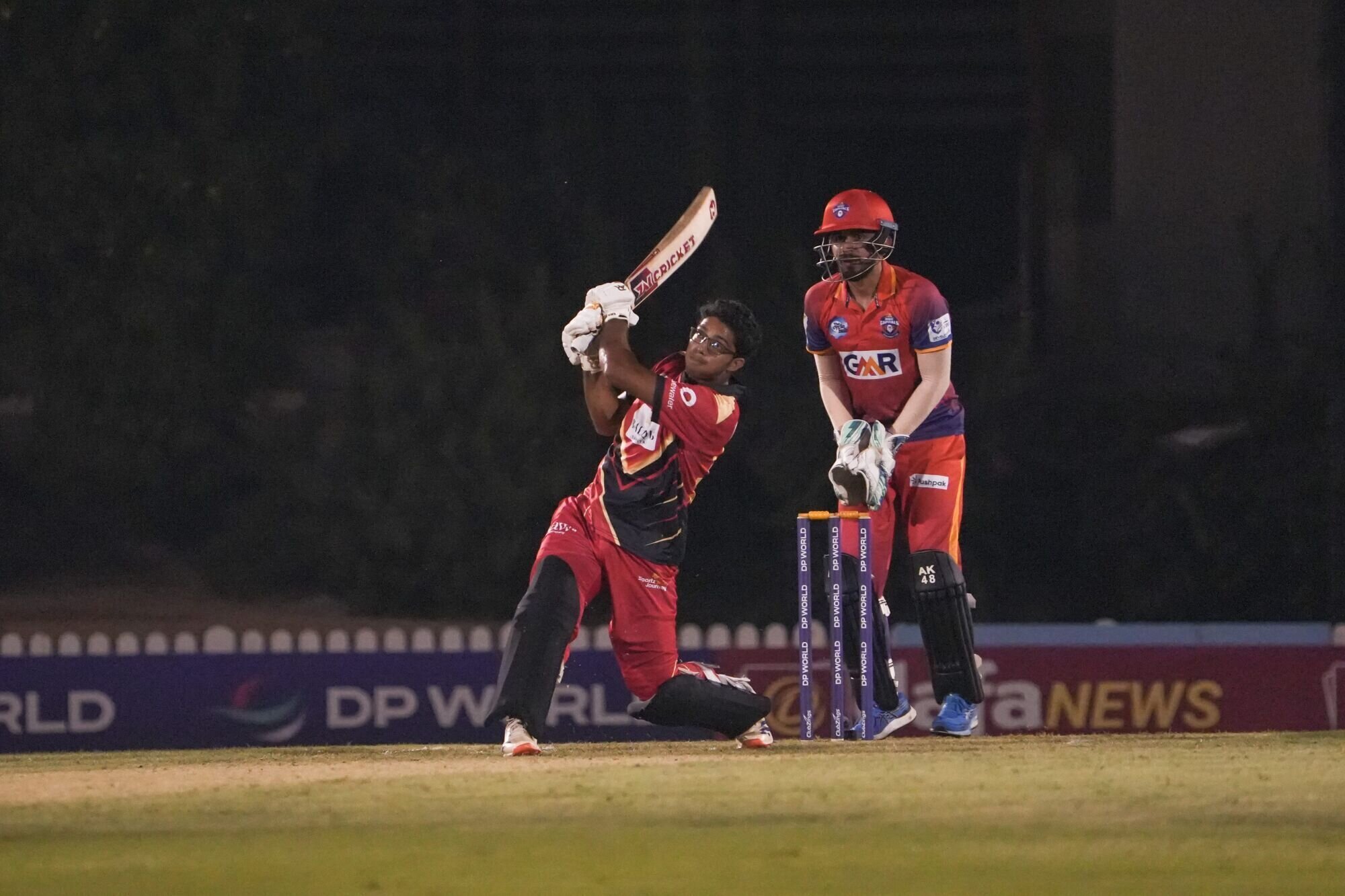
Taimoor Ali, the Vipers’ impact player in the match, made a superb unbeaten 59 from only 28 balls, with two fours and six sixes as the team chased down the Capitals’ 210 for six, with victory sealed off the final delivery.
 
Three other players who made important contributions to the win were all-rounder Ali Naseer, whose four overs for 28 was an exceptional effort in a high-scoring match, wicketkeeper-batter Tanish Suri, who captained the side and made 35 from 25 balls as opener to get the chase moving and left-arm spinner Nilansh Keswani, whose power-packed 22 from nine deliveries at the end helped catapult his side to the win.
 
On the eve of the Development Tournament, the trio had spoken with Vipers Voices to emphasise the need for strong performances to help them attain places in one of the six teams at the DP World ILT20, the UAE team or other franchise cricket teams around the world. 
 
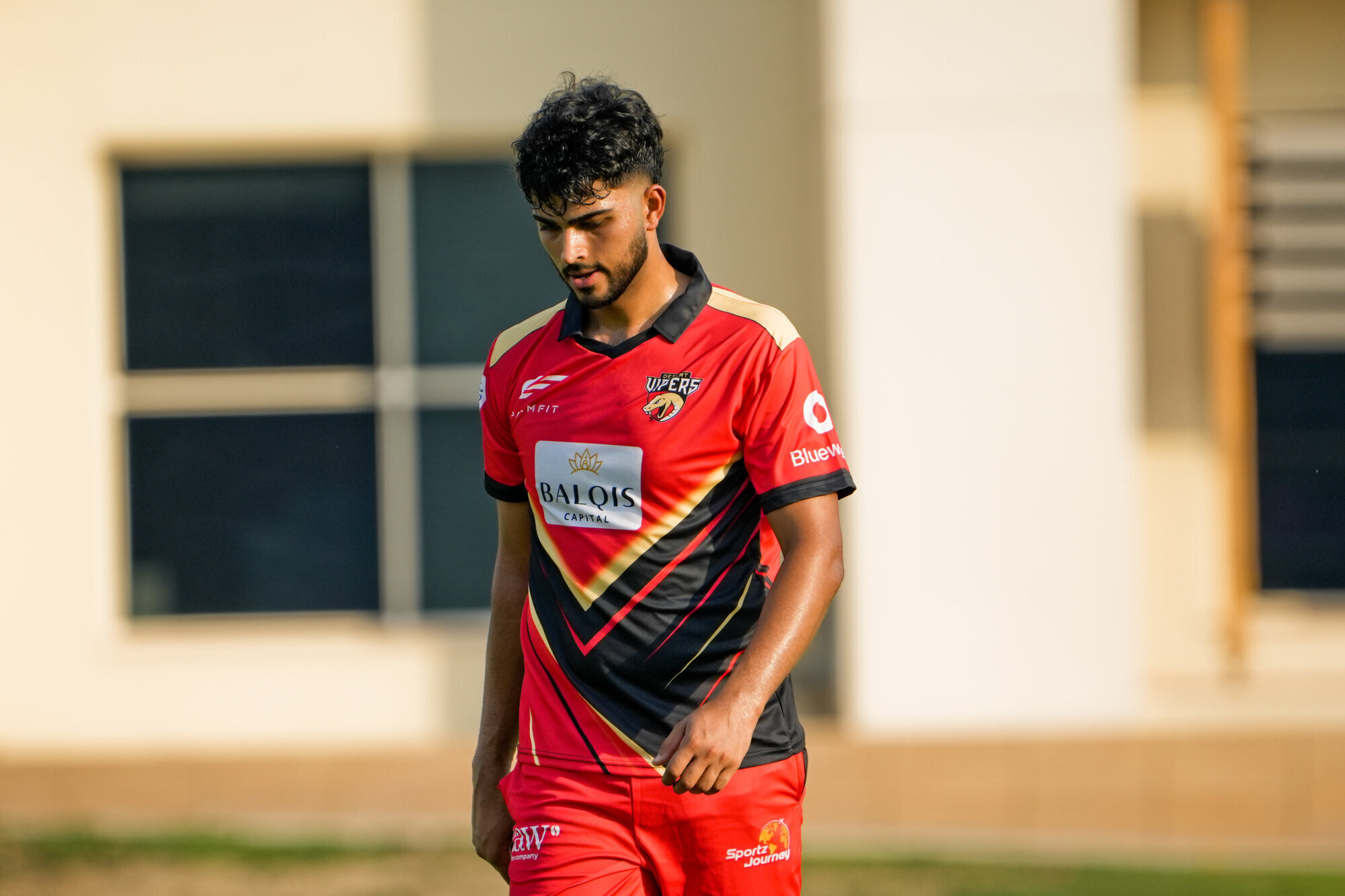
Tanish Suri was part of the Vipers family for season two and three as a specialist wicketkeeper. He was not retained by the team for season four but made a strong case for himself with that first innings in the Development Tournament opener and he admitted he knew the importance of using the platform to showcase his ability and skill to make an impact.
 
“Yes, obviously this tournament is very important for me to get back to playing for the Vipers this season, for season four,” he said.
 
“Plus, I have been out of the UAE side for a couple of series as well. So obviously this is a really, really important tournament for me to grab this opportunity and do as well as I can for the Vipers Development team and for myself as an individual. 
 
“When you play sport, there is always pressure, but what I think is just to keep it simple, stick to the basics and just do my best for the team.
 
“Yes, there is a realistic chance of getting back (into the UAE team) if I really do well in this tournament because the more you perform, the more you get recognised. That is how every sport works. So I am looking forward to the tournament.”
 
Ali Naseer has been part of the Desert Vipers set-up across all three seasons of the DP World ILT20 and said he appreciated the support he has received from the team and the coaching staff. 
 
Ali said he performed below expectation in season three and has been working hard to raise his game: “I was hoping to obviously do a lot more (in season three), and try and contribute more towards the team, but it did not happen and that is how sport is. 
 
“Sometimes you cannot always contribute every season. So I just think it is important to back your process and just trust your own skills and play every game with that confidence. 
 
“I am hoping to just try and perform as well as I can and try and get back into the Vipers side or any franchise team, stay with them for a while, be consistent with them and then play a few franchise tournaments around the world along with that.
 
“There are quite a few tours coming up for the UAE before the (DP World) ILT20. We have got a few WCL (ICC World Cricket League) tours home and away. I know for a fact if I perform well here, I will probably be back in the (national) camp with the UAE. And if I can perform well in the camp games, I am hopeful to make it back to the team and play for the UAE again.”
 
“I think our team is pretty well balanced (in the Development Tournament). We have some good top-order batters, a lot of fast bowlers and around five or six spinners and I think all of us are pretty good fielders.
 
“I am hoping that over the next one week, we can kind of gel and become like brothers, and if we just gel as a team really well, I think we can pull off wins.”

“My strength as a player is that I am a fighter” – Nilansh keswani

Left-arm spinner Nilansh Keswani’s starring role in the Vipers’ victory saw him hit big with his 22 off nine deliveries including two sixes and helped Taimoor Ali bring life to the Vipers run chase.  But he admitted he was not looking too far ahead and just wanted to keep focused on one task at a time. “I feel like I am just really grateful that I am a part of Desert Vipers development team. In tournaments like these, you can easily go unnoticed if you are having a bad season. So I am just really grateful I have been picked in the tournament. And hopefully I can do well. “I feel like the good thing is that all the franchises have a team in the Development Tournament and they must have been following the domestic cricket closely. I am an example (of someone who has benefitted from that). I feel like I did really well this last domestic season. And fortunately I was picked by the Vipers (for this tournament) and a lot of other players who were doing well, have been picked by the teams as well. “My aim is contributing towards what I can do to make sure we win the tournament. Not just me thinking about my personal milestones. But eventually, if you do something to make the team win the tournament, that is what really matters. “The ILT20 development tournament helps UAE cricket immensely and I am an example of it as well. In season two I did well in the ILT20 Development Tournament, I think I got 10 or 11 wickets and eventually I got picked by Sharjah Warriors in the main ILT20 tournament.  “Obviously the goal is to get picked for the main ILT20. But one thing I have realised is, if you go searching, if you try too much, you end up not getting picked. So I am just going to follow my process and hopefully I get picked. If not, there is always a next year.  “My strength as a player is that I am a fighter. So I will always fight for my team to win. And I will always be behind my teammates.” The ILT20 Development Tournament runs until September 3, with a final at the ICC Academy. The DP World ILT20’s first player auction will then take place on October 1. 

“I feel like I am just really grateful that I am a part of Desert Vipers development team. In tournaments like these, you can easily go unnoticed if you are having a bad season. So I am just really grateful I have been picked in the tournament. And hopefully I can do well. “

Here is a quick reminder of the retained players and direct signings for the Desert Vipers: Retained players:Lockie Ferguson (NZ)Wanindu Hasaranga (SL)Sam Curran (ENG)Max Holden (ENG)Dan Lawrence (ENG)David Payne (ENG)Khuzaima bin Tanveer (UAE) Direct Signing:Andries Gous (USA) Wild card signing:Shimron Hetmyer (WI) The Desert Vipers’ sustainable line of clothing from PALMFIT is now available via the franchise’s online shop: https://shop.thedesertvipers.com  Ends
For more information please contact: Brian Murgatroyd & Roshni Jayakrishnan: media@thedesertvipers.com 

“I am so happy to be joining Desert Vipers” – Shimron Hetmyer signs for Season 4!

0

Dubai, UAE (August 12, 2025) The Desert Vipers are delighted to announce West Indies batting maestro Shimron Hetmyer as the team’s wild card signing for season four of the DP World ILT20.

Director of Cricket Tom Moody welcomed the new recruit: “Shimron is a player we rate extremely highly so for us to secure his services is a real coup,” he said.

“He has proved a thorn in our side in the DP World ILT20 in the past so to have him in our ranks now is great news.”

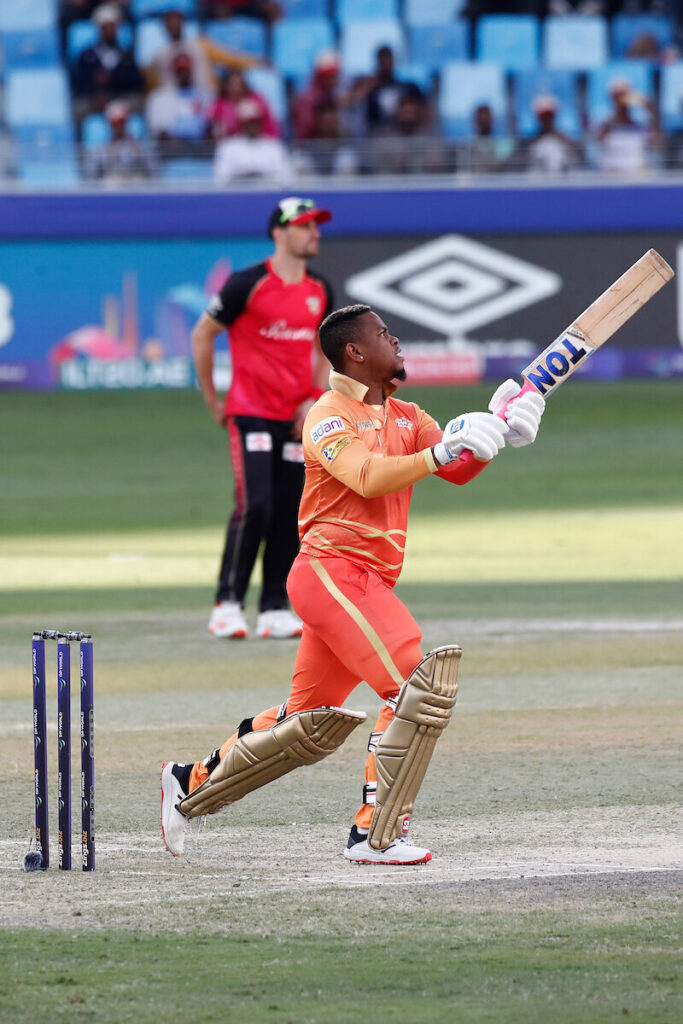
The left-handed batter, previously a member of the Gulf Giants team, has played some memorable knocks against the Vipers, including smashing 70 off just 35 deliveries in season one.

Hetmyer said he was looking forward to joining the squad.

“I am so happy to be joining the Desert Vipers. I have enjoyed my battles with the team during the past three seasons. The franchise is filled with quality players and I am looking forward to playing with them rather than against them.”

The 28-year-old was part of the Gulf Giants in the first three seasons of the DP World ILT20, including season one where that team won the title by defeating the Desert Vipers in the final.

With a strike rate of over 150 across those three seasons, having scored 390 (48 fours and 33 sixes) of his 666 runs in fours and sixes, Hetmyer is a hard hitter who can bring down any opposition on his day.

Tom Moody believes he could be a key disruptor for the team: “Shimron is a game-changer with the bat and someone who can fill multiple roles,” he said. “He is capable of batting in the top order and as a finisher, and his power and his ability to clear the fence are attributes we welcome.

“But he is also a smart cricketer who knows the T20 format inside-out. I have no doubt Shimron will be a huge asset for the Desert Vipers in the coming season and we look forward to welcoming him to our team later this year.”

The Desert Vipers have twice been runners-up in the DP World ILT20 but are yet to win a championship, and Hetmyer is eager to change that statistic.

“I have seen the way the Vipers have been run, and the fact the team has reached two finals in three years speaks for itself,” he said. “They have been so close to the trophy and hopefully my arrival will be the final piece of the puzzle to make sure the team finishes season four as winners.

“I love the tournament. It is such a great experience as a player, and I cannot wait to link up with the team in Dubai later this year.”

Hetmyer brings with him a wealth of experience, having represented the West Indies at junior and senior levels, including leading them to victory in the ICC Under-19 Cricket World Cup in 2016.

The left-hander is also in great demand on the franchise circuit and has played across the globe including in The Hundred, the Pakistan Super League, the Indian Premier League, the Caribbean Premier League, Major League Cricket and the DP World ILT20.

Is sport and nature a winning team for a healthier planet?

0

With World Nature Conservation Day on 28th July, this blog edition looks at the intersection of sports and nature, exploring why nature is important in sports, before showing some examples of how sports organisations can work to protect and promote nature. The Sustainability Spotlight features the IUCN Sports for Nature Framework – a fabulous organisation doing a tremendous amount of work to promote nature in sports.

The importance of nature in sport

When initially thinking about sports and nature, many people might say that, apart from sports which take place in ‘natural settings’ such as water and winter sports, there are few obvious links to nature for most sports. However, this is not the case: all sports are linked to nature.

Firstly, many sports depend on nature, whether for its setting (such as triathlons requiring clean waterways, or skiing requiring abundant snow cover), or to provide ‘ecosystem services’ that contribute to a sporting event. For example, trees around a football field provide shading in warm weather, providing a ‘value’ to the game. This shading would otherwise need to be provided through constructing a non-natural material, such as a sun-roof. This costs money, and so a very crude way of looking at the value of the tree is quantifying the price of what it would take to construct infrastructure which would provide the equivalent shading.

Sports also impact nature through the construction of venues and supporting infrastructure, and through their supply chains. Considering venues, construction often leads to the degradation, fragmentation, and a direct loss to natural habitats. During events themselves, noise and light pollution can disorient wildlife, interfere with animal communication and feeding patterns, and harm ecosystems. Additionally, the widespread use of chemicals like pesticides and herbicides on playing surfaces can seriously harm species. Considering supply chains, thousands of different types of materials are used in sports, all of which impact nature in their production, use phase, and disposal.

Finally, given the global permeation of sports and its cultural significance, promoting nature to sports fans through partnerships, in-stadia messaging, or activations can play a tremendous role in reversing biodiversity decline and protecting nature. Athletes and teams can use their global platform to champion biodiversity, even using native species as mascots to create a deeper connection to local conservation efforts! This engagement can lead to fans getting involved in sustainable actions, such as adopting sustainable travel habits for events. Sport also has fantastic opportunities for urban greening and habitat improvements, transforming spaces and bringing nature closer to people. Stadiums have installed green roofs and living walls, which aren’t just pretty, but actively provide habitat, help regulate temperature, retain water, and can even contribute to food production! Some new venues are built on degraded land, literally turning former industrial sites into green spaces.

How Desert Vipers are making changes for nature

Despite being a franchise team and therefore not operating any venues, Desert Vipers became the first cricket organisation in January to sign up to the IUCN Sports for Nature Framework, showing our commitment.

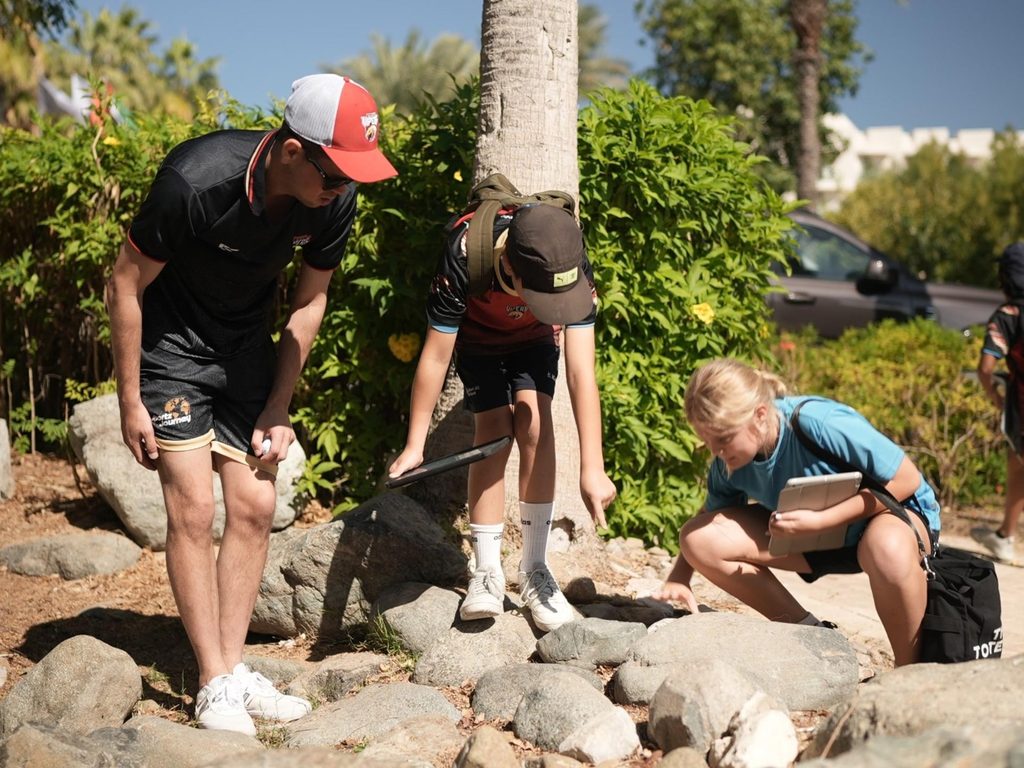
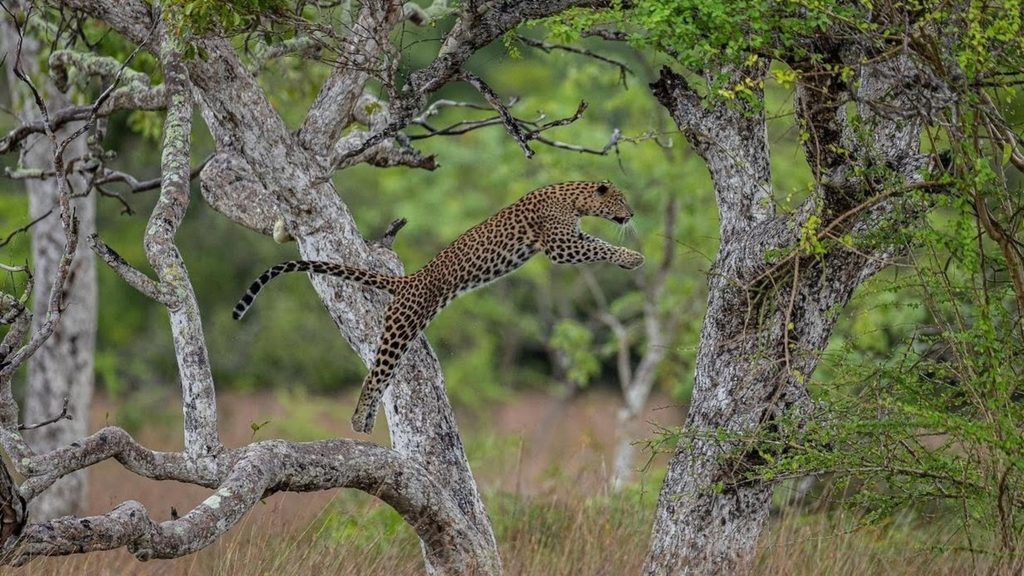
Our first nature activation took place at our fabulous Team Hotel, JA The Resort, where we undertook a BioBlitz with support from Nature Wave and Jebel Ali School. For those who don’t know what a BioBlitz is – it’s a race against time to find and record as many species as possible, contributing to citizen science through the iNaturalist platform. To add a little sporting drama to the event, we made it a friendly competition between students from Jebel Ali School, JA The Resort, and Desert Vipers to see who could record the most species. To the surprise of no-one, the enthusiastic and competitive students from Jebel Ali School won, but everyone played a great part in the day, with a total of 310 observations made and 97 species identified! The day finished with a wildlife talk from influencer and educator, Sahir Doshi, where he explained more about wildlife and showcased the fantastic photography of Wanindu Hasaranga. Through the BioBlitz activation, we uncovered that ‘Wani’ had a love for nature photography, capturing images of leopards from his homeland, Sri Lanka. Some of the photography wouldn’t look out of place on a David Attenborough documentary, and it was brilliant that this activation uncovered a different side to one of our players, showing how players care about our planet.

Even before Desert Vipers’ signatory to Sports for Nature, we had already started implementing initiatives to reduce our impact on nature. The most obvious of these is the partnership between Desert Vipers and Bluewater Group, where we have replaced the fridge next to the dugout full of single-use plastic bottles with a state-of-the-art water filtration unit, allowing us to save 14,400 single-use plastic bottles across a short season, and eradicate single-use plastic from our team environment. This has some benefits for our carbon footprint (see our Season 2 Carbon Footprint Report for more information), but its main benefit is to nature, as nature is negatively affected by plastic pollution, so reducing plastic pollution is one of the biggest steps we can take to protect nature! We are looking forward to continuing this partnership into Season 4, continuing to set the standard in global turf sports for hydration.

How other sports organisations are promoting and championing nature

Surrey County Cricket Club (SCCC) has partnered with Surrey Wildlife Trust (SWT) to help support the Trust’s vital mission to protect and support local wildlife. This partnership is a significant step towards integrating environmental stewardship into the world of sports. As a gold corporate member of the Trust, SCCC will leverage its platform to raise awareness among cricket fans and club members about the importance of protecting local wildlife. They will also promote SWT’s initiatives and the broader message of environmental conservation. Additionally, SWT will provide SCCC with advice and support to enhance the natural habitats within and around their cricket grounds. This will include helping to create wildlife-friendly spaces, such as planting native species and maintaining green areas. A partnership that’s a real win-win for the planet!

In Formula One, Sebastian Vettel was instrumental in building specially-created insect hotels at the Suzuka Circuit in Japan, located at Turn 2. This initiative aimed to promote awareness about the importance of insects and biodiversity in general – Vettel having also promoted an insect hotel at Austria’s Red Bull Ring back in 2021.

For the 2024 Paris Olympics, the organisers undertook the mammoth task of cleaning up the River Seine to reduce sewage pollution, benefitting people and wildlife. After a $1.5 billion project, pollution levels have drastically reduced and the number of fish has increased from a low of three to now 32.

Innovating with coffee

The ‘Coffee Collective’, Carbon Happy World’s own initiative, benefits local nature and biodiversity by transforming coffee waste into a valuable resource. The project diverts coffee grounds from landfills, where they generate harmful methane and degrade healthy soil. Instead, the grounds are collected, dried, and distributed as free, nutrient-rich fertiliser to community gardens, allotments, and farms. This process directly improves soil health and prevents environmental damage caused by wet waste.

Plus, healthy soil brings numerous additional benefits. It enhances plant growth and crop yields, leading to more productive agriculture and gardens. Healthy soil also improves water retention and drainage, which can help mitigate the effects of droughts and floods. It supports a diverse ecosystem of microorganisms, fungi, and invertebrates, which are crucial for nutrient cycling and disease suppression, thereby boosting overall biodiversity. Moreover, healthy soil acts as a significant carbon sink, helping to sequester atmospheric carbon and combat climate change. The initiative is expected to capture 7,000 kg of carbon, reducing atmospheric carbon dioxide equivalent.

As well as these direct ecological benefits, the project also raises environmental awareness within local communities. We have partnered with various organisations, as ‘The Coffee Collective’ integrates environmental education into community programmes, championing a greater understanding of sustainable practices and waste reduction. This approach promotes both immediate environmental improvements and long-term ecological stewardship.

Sustainability Spotlight – Sports for Nature

This blog’s Sustainability Spotlight features the IUCN Sports for Nature. Sports for Nature is a joint initiative of the International Union for Conservation of Nature (IUCN), International Olympic Committee (IOC), United Nations Environment Programme (UNEP), the Secretariat of the Convention on Biological Diversity (CBD), and Dona Bertarelli Philanthropy. It aims to deliver transformative action for nature across sports, by 2030 and beyond, enabling sports to champion nature and contribute to its protection and restoration. It provides a game plan for sports — at all levels — to accelerate and inspire others to take action for nature. All sports organisations reading this blog should sign up today!

AboutCarbon Happy World

At Carbon Happy World, we’re dedicated carbon accountants and ESG software consultants. We empower businesses to measure, manage, and significantly reduce carbon emissions. By providing a range of innovative solutions and insights, we help organisations achieve their carbon net zero goals and genuinely enhance their sustainability practices. As at Carbon Happy World every calculation starts a conversation.
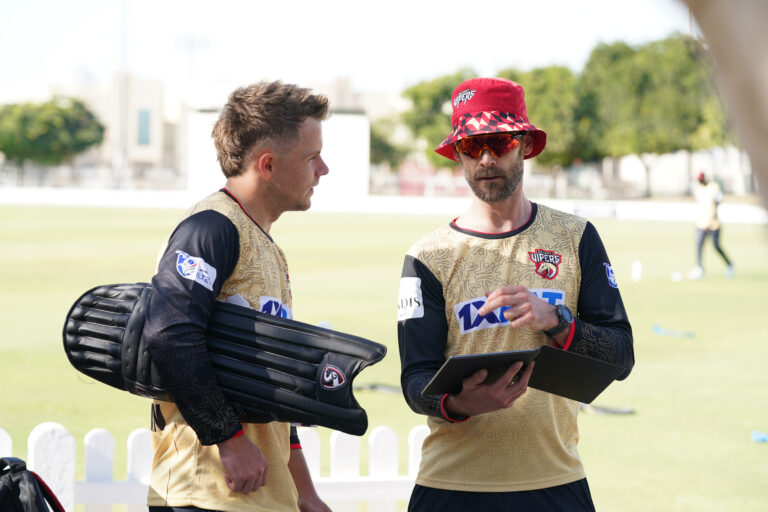
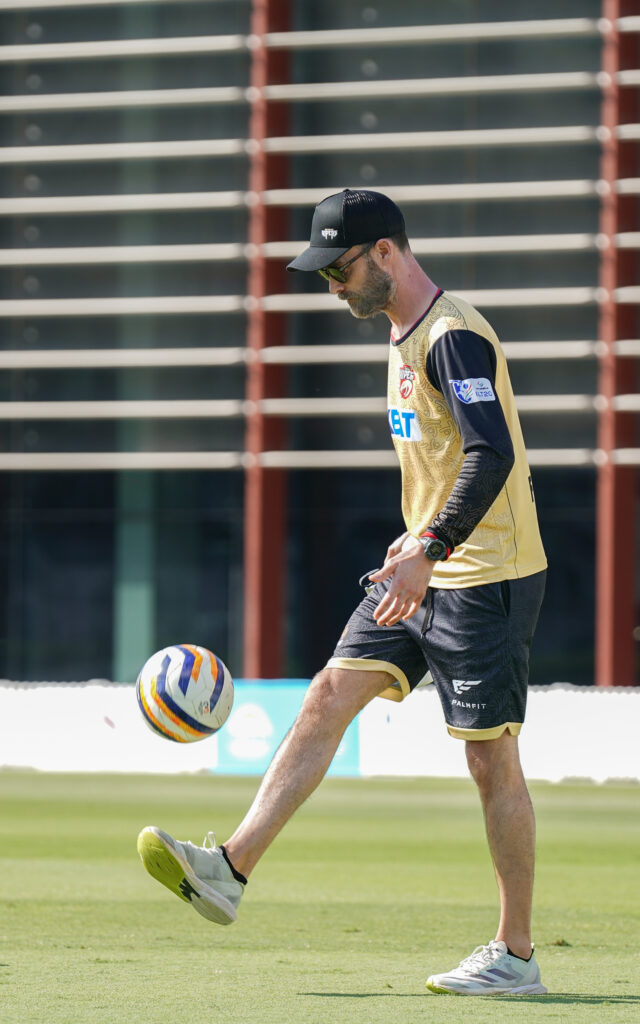
Desert Vipers vs Sharjah Warriorz, Qualifier 2 – 7th February 2025

0

Sam Curran, Wanindu Hasaranga and Lockie Ferguson headline the Desert Vipers’ retained players for season four of the DP World ILT20

0

The Desert Vipers are pleased to announce a list of seven retained players and one direct signing for the fourth edition of the UAE’s DP World ILT20 tournament.

Captain Lockie Ferguson leads the roster of returning players, which also includes all-rounder Sam Curran and Sri Lanka’s spin maestro Wanindu Hasaranga, an ever-present for the Vipers across the history of the tournament. The list is as follows:

Retained players:
Lockie Ferguson (ENG)
Wanindu Hasaranga (SL)
Sam Curran (ENG)
Max Holden (ENG)
Dan Lawrence (ENG)
David Payne (ENG)
Khuzaima bin Tanveer (UAE)

Direct Signing:
Andries Gous (USA)

Director of Cricket Tom Moody welcomed the retained players on behalf of the Desert Vipers but also made it clear that although no Pakistani players featured in that retained list, they were certainly a part of the team’s wider strategy.

“Yes absolutely (we can expect Pakistani players to feature for the Vipers in season four),” he said. “I am sure now with an auction process that is happening in September, that we will see a few Pakistan players nominate for that auction.

“And we would be very keen to have a look at what talent is applying for that auction. We have got a good relationship with Pakistan and Pakistan cricketers and there is no mistaking their talent.

“If we can build our squad with two or three Pakistan players, we certainly will do, because they bring so much both on and off the field.”

Speaking about how the retained players were selected, the Director of Cricket said it was not easy to pick and choose: “We have built a long association with a core group in the first three years of the ILT20 and, we pride ourselves on trying to have that continuity and consistency with our playing group, but to be restricted to eight players was a challenge.”

Tom Moody did confirm that Lockie Ferguson was being retained as captain of the team, as the management felt he was a huge success in season three and had impressed with his game awareness and player-management both on and off the field.

“We knew going into season three and even going into season four, that with Lockie, there was a strong chance he was not going to be able to play every game (because of injuries or the need to rest),” he said.

“We pride ourselves on having a squad that can accommodate the rotation of our fast bowlers, particularly ones that have got a history of picking up a niggle here or there. But Lockie’s leadership last season was brilliant.

“His connection with the players was second to none, as was his understanding of the game – after all, he has been around a long time.

“The players certainly embraced Lockie’s leadership style. And he did not let us down one little bit, both on and off the field.”

Also retained is all-rounder Sam Curran, who was chosen as player of the tournament in season three of the DP World ILT20 for his consistent performances with the bat and ball.

Curran was an easy pick, said Tom Moody, with the duo having a long and successful working relationship across continents and leagues.

“Sam is a complete player and we are delighted to have him back with the franchise because he brings so many good qualities, whether it be leadership, his all-round talent on the field or his real competitive spirit out in the middle.

“Sam is a winner. He has got that real hunger in him and people around him only become better with his presence. Those players are pretty rare.

Sam Curran of Desert Vipers and Sunil Narine of Abu Dhabi Knight Riders at the toss during the match 9 of the DP World International League T20 between the Desert Vipers and the Abu Dhabi Knight Riders held at the Dubai International Cricket Stadium, Dubai, United Arab Emirates on the 18th January, 2025. Photo by Pankaj Nangia / CREIMAS / ILT20 RESTRICTED TO EDITORIAL USE

“He is a great fit in our dressing room and in our team room because he just adds so much value.”

Curran is in fabulous form and has just come off the back of a first-class hundred for his county side, Surrey in England. Tom Moody said there was a chance the Vipers could lose his services if the player was called up for national duty during The Ashes series in Australia from November 2025 to January 2026, and that was something the franchise was aware of.

“Yes, that is a possibility,” he said. “It is with any player that you recruit at an early stage, not knowing what the next six months are going to look like.

“I would be delighted for him that he manages to break back into that England set up because that is his desire. That is his ambition. And if we can help in any way whatsoever, we would be delighted to be part of that journey.

But, at the moment, Sam is very much focused on just delivering in every opportunity that he gets and that suits us just fine.”

A standout UAE performer for the Vipers in the season gone by was fast bowler Khuzaima bin Tanveer who took seven wickets, including a crucial match-winning 4-22 on debut against the Sharjah Warriorz.

Tom Moody was happy to sing his praises as the one UAE player retained by the Vipers ahead of season four.

“(Khuzaima is) Superb. He is quick, he is strong, he has got skills where he can swing the ball, he has got changes of pace, he has got a yorker, he has got a bouncer, he has got all the tools.

“For him, (last season), it was down to getting an opportunity. Firstly, that was about getting signed by a franchise, but then getting in the playing eleven and having an impact, which he certainly did.”

Tom Moody added that the Desert Vipers were not worried that Khuzaima was now a known quantity and opposition teams would now build strategies to counter him.

“From the experience that we have had working with him, Khuzaima is someone that does not sit still,” he said.

“He is someone that is desperate to continue to evolve and improve in his game. He is an elite professional with regards to how he looks after himself physically and also with his preparation.

“We will support him in all those aspects to make sure that he feels that he is ready to take on any challenge if teams have come up with any different strategies to try to deal with him.”

Following their discovery of local talent in the UAE like Khuzaima bin Tanveer, the Desert Vipers Director of Cricket said the impact of three years of the DP World ILT20 in the UAE was comparable to the early impact of the Indian Premier League (IPL) in India – with a marked rise in the standard of cricket locally.

“We have seen a huge uptick in standard from the local UAE players to the point where it has been quite heartwarming to watch the development of a lot of young players right under your feet, particularly when you spend the time with those players.

“There is no doubt the ILT20 has made a significant difference to not only the focus of cricket in the UAE, but also it has given young players a chance to strive for an opportunity in this league.

“It is obviously hugely rewarding in many different ways. And you can see that the importance of developing players in the region is absolutely paramount. And the ILT20 has been an enormous help to the players to have a focus and to be exposed to all those international players.

“We saw a similar thing happen many, many years ago, in a different circumstance, with the IPL, with young Indian players being exposed to international coaches, international players, and also their own international domestic players that were part of the league. And it just accelerates the next generation like nothing else.”

From Dubai to Lord’s: Taking a Global Look at Cricket’s Race to Net Zero

0

At current levels of carbon dioxide emissions, there’s only three years left before society breaches the symbolic 1.5*C warming limit, which would avoid the very worst impacts of climate change, according to the most up-to-date assessment of the state of climate change.

Climate change is already impacting sport, with cricket the turf sport most-affected. Extreme heat, flooding, bushfires, and drought, all of which are made more likely by climate change, are affecting our game. Players and fans are at increased risk from heat-related illnesses, and matches are called off due to the extreme weather events associated with climate change.

Against this backdrop, sport needs to play its part to reduce its environmental impact. Beyond this, though, sport has an opportunity to educate and inspire fans, empower athletes, and work with partners to take action beyond the pitch. Running events in a more sustainable way can allow sports organisations to address climate change and other sustainability issues, placing them at the forefront of the transition to a more sustainable future.

What makes a cricket event ‘sustainable’?

There are many definitions of sustainability, but this blog focuses on environmental sustainability, which is about reducing environmental impacts to ensure that future generations have the same access to resources and living conditions that previous generations have enjoyed. Whilst there are many environmental areas of concern, two of the biggest are climate change and biodiversity loss.

When we talk about how sustainable an event is, the most common way to measure it is by its carbon footprint. This takes into account so many aspects, like the following: travel (how fans and teams get to and from matches – often the biggest slice of the pie!); venue energy & water (the power and water needed to run the stadium); materials & infrastructure (everything from the kit to fuel for generators); and food & drink (what’s consumed on site and how it’s sourced. Every single one of these areas creates greenhouse gas emissions, contributing to that overall footprint.

To reduce the carbon footprint from events, sports can adopt a whole range of smart solutions. For example: powering venues using renewable energy, such as solar panels; encouraging active travel, the use of public transport, or car sharing; offering vegetarian and vegan options, particularly reducing or removing red meat options; reducing the amount of waste they produce, through using reusable containers for food and drink, and increasing recycling rates; making merchandise from recycled materials and offer opportunities for donation of old kits; and finally, educating and inspiring everyone who attends to learn a little bit more about sustainable solutions which they can adopt in their own lives.

How sustainable are cricket events?

It’s fantastic to see several cricket organisations globally stepping up to quantify and reduce the carbon footprint of their events, and importantly, sharing their plans for action.

At the national level, the England and Wales Cricket Board (ECB) has published an Environmental Sustainability Plan for Cricket (their emissions were 25,280 tCO2e in 2022, not including fan travel), providing guidance for county clubs in their sustainability journeys, and committed to halving greenhouse gas emissions by 2030 and reaching net zero by 2040. Cricket Australia (CA) is also developing an Environmental Sustainability Action Plan to quantify the baseline carbon footprint for Australian cricket and set actionable targets.

Considering venues, Marylebone Cricket Club (MCC), as owner of Lord’s Cricket Ground, published their 2022 baseline audit, covering Scope 1 and 2 emissions, and is aiming to collect data on their Scope 3 emissions within the next few years. They are also a signatory of the UN Sports for Climate Action Framework, which is an encouraging statement of intent.

At the team level, some are clearly ahead of others. Glamorgan CCC has published an Environmental Social Governance (ESG) Report for 2023, stating their commitment to reduce their carbon footprint and report annually on their progress. In the Indian Premier League (IPL), Royal Challengers Bangalore (RCB) are aiming to reduce their environmental impact through their ‘Go Green’ games and Rajasthan Royals have made partnerships to install solar panels across Indian homes. While finding their full Scope 1, 2, and 3 baselines publicly available might still be a work in progress, these are strong signals of intent and emerging efforts in comprehensive measurement.

Finally, some organisations have hosted specific matches to promote awareness of sustainability issues and reduce the environmental impact of games. In 2023, Edgbaston hosted a “Go Green Game” between England and New Zealand (carbon footprint of 328 tCO2e, including fan travel). The event was designed to significantly reduce the match’s carbon footprint and raise sustainability awareness among fans and the wider community. Several different initiatives were implemented, such as free public transport, use of renewable energy, waste reduction, sustainable food options, and even electric lawnmowers! It’s all part of their bigger goal to become a Net Zero venue by 2030. Also in the UK, Surrey CCC are hosting their second ‘Sustainabili-T20’ on 6th July 2025, aimed at raising awareness about climate change and environment-friendly practices.

What we’re seeing across the cricketing world, from Edgbaston’s groundbreaking “Go Green Game” to the ambitious plans of the MCC and the emerging efforts in the IPL, is a powerful movement towards a more sustainable future for sport. The common threads are clear, a commitment to robust measurement (including the challenging Scope 3), the invaluable role of expert sustainability partners like Carbon Happy World, and the crucial need for transparent reporting and widespread engagement.

Desert Vipers’ Season 3 Sustainability Match

We are committed to reducing our environmental impact, and sharing our carbon footprint as we progress on our journey. With that in mind, our Season 3 Sustainability Match Report was released on 5th June 2025 – World Environment Day. This was our second Sustainability Match and aimed to build on the successes from the first, focused on raising awareness about climate change and sustainability issues and trialling innovative new ways to reduce the environmental impact of matches in a way which is applicable to other events around the world.

In Season 3, the footprint of the match was measured to be 30.86 tCO2e, higher than Season 2’s footprint, which was because we recorded on more areas with a greater accuracy, showing how difficult it is to understand the true carbon footprints of events, and why transparency in what is / isn’t being included is so critical. Interestingly, fan travel is a lower share of our footprint than other events, because most of the fans who come to matches are local, meaning no international travel was recorded. The biggest sources were waste, kit, and air-con energy. Knowing this in detail helps us figure out exactly where we can improve going forward, and we encourage other sports events to showcase their own footprints too – let’s learn from each other!.

Sustainability Spotlight –United Nations Sports for Climate Action Framework

This blog’s Sustainability spotlight features the United Nations (UN) Sports for Climate Action (S4CA) Framework, which encourages and supports sports organisations to accelerate action on climate change. As a signatory, you must target a 50% emissions reduction by 2030, and reach Net Zero by 2040. In addition, signatories to the UNS4CA must report on their carbon footprint annually and educate fans around sustainability issues. Desert Vipers are the first signatory from Dubai, and the first Asian cricket organisation to sign up. Indeed, there are only a handful of cricket organisations in the world who have signed up to the UNS4CA, so we encourage others around the world to join us in this mission and enhance the role of cricket in creating a more sustainable future for both our game and our world.

AboutCarbon Happy World

At Carbon Happy World, we’re dedicated carbon accountants and ESG software consultants. We empower businesses to measure, manage, and significantly reduce carbon emissions. By providing a range of innovative solutions and insights, we help organisations achieve their carbon net zero goals and genuinely enhance their sustainability practices. As at Carbon Happy World every calculation starts a conversation.

#SportsForClimateAction #SustainabilityMatch #LondonClimateActionWeek #Sustainability

Ready for a new era? The Desert Vipers and Carbon Happy World kick off 12 months of sustainability & sport insights

Welcome back to Desert Vipers’ blog!Over the last 18 months, we’ve brought you insight and analysis around what it really means to try and act sustainably in a sports organisation. We’ve focussed on a range of different topics which have hopefully been insightful, informative, and interesting.

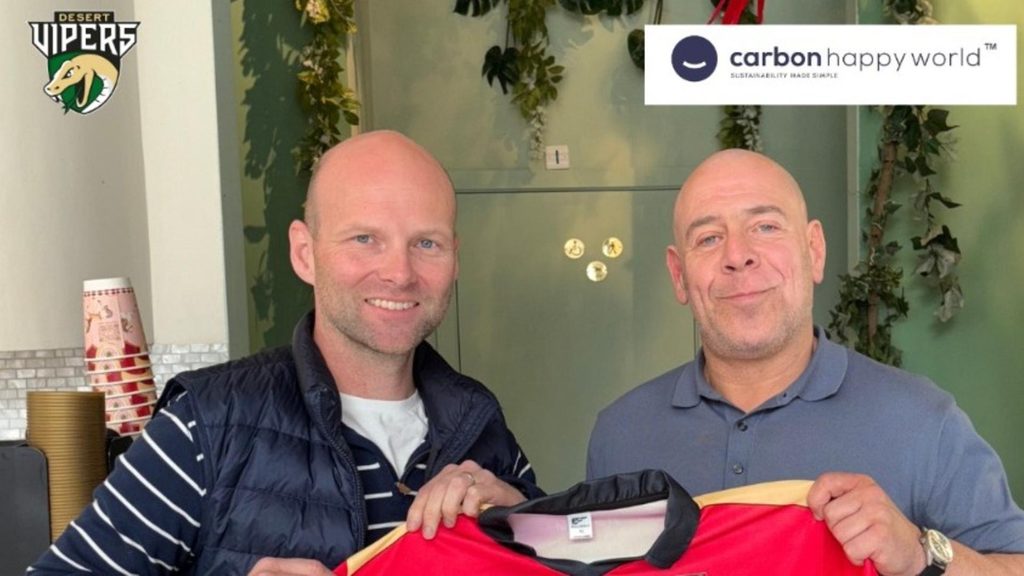
We are delighted to announce that we have listened to your feedback on the blog, and we’re back with a new, improved format, which will be brought to you over the next 12 months. You wanted a fresh approach to sustainability in sport, making it engaging for everyone, and entertaining too. We will deliver on that. From the content perspective, we’ll be continuing to focus on Desert Vipers’ activities, but will also analyse global and regional sustainability trends across sport (and beyond). This additional insight and expertise will be provided by Carbon Happy World, who we are absolutely delighted to announce have joined the team as a Sustainability Supplier, and will co-author blogs with Desert Vipers over the next 12 months.

This isn’t just a partnership; it’s a significant milestone on our shared journey toward a sustainable future. By joining forces with the Desert Vipers team on this blog, Carbon Happy World can amplify their efforts to raise awareness and drive truly impactful discussions around carbon management and ambitious sustainability goals. Together, our aim is simple: to inspire meaningful change, champion innovative solutions, and build a vibrant community committed to achieving net zero. So, buckle up! We’re about to give you a sneak peak into what the next 12 months look like for us.

What’s the plan for Desert Vipers over the next 12 months?

The Desert Vipers have got an exciting and action-packed 12 months coming up, both on- and off-the-pitch. Firstly, we’re thrilled to announce that our CEO, Phil Oliver, wonMiddle East CEO of the Yearat the Sports Industry Awards on 20th May! What better way to kick off the next twelve months than with this superb recognition of Phil’s and the team’s work?!

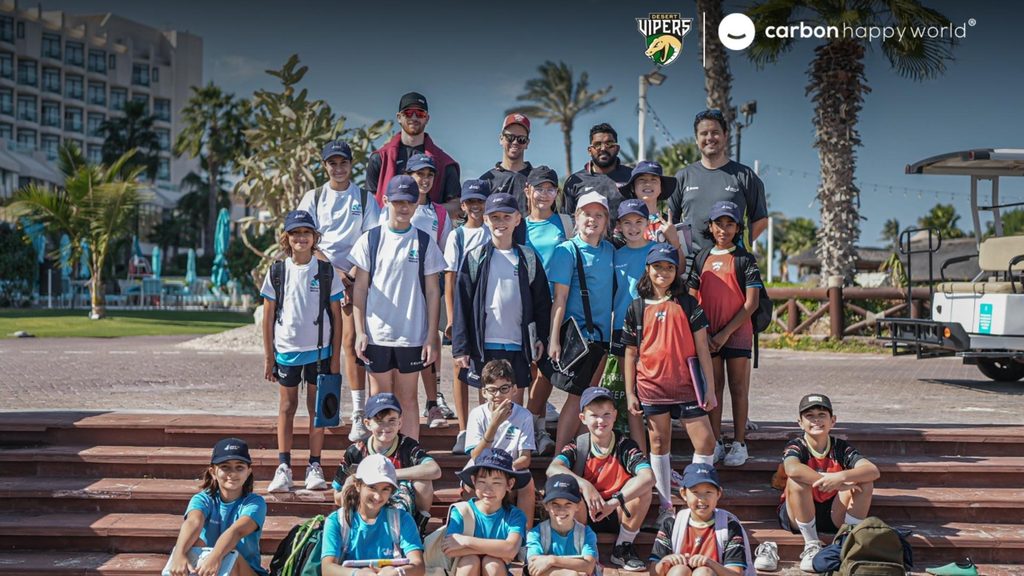
The Desert Vipers Schools Programme continues to gain traction, and has expanded in recent months to Abu Dhabi and India, after previous successes in Dubai. This programme aims to educate and inspire young children around sustainability through the medium of cricket, and has been nominated for international sustainability and sporting awards. The coming year will see further growth of the programme, with new workshops around mental wellbeing and sustainability being fully integrated into the programme. We have seen new and prestigious partners join the programme recently, such as Carrefour MAF,Cleveland Clinic Abu Dhabi, andBluewater. Over the next few months, we will be speaking to other organisations who want to get involved, and use the platform and power of sport to tell positive brand stories around health and sustainability.

Thirdly, being a sports team we’re all about the scoreboard, so we’ll be continuing to measure and analyse our sustainability score, producing reports on our Sustainability Match, Carbon Footprint, and Plastic Impact. Aiming to go one better than last year, we’ve also started the early work on a life-cycle assessment (LCA), with support from Carbon Happy World, for our fully recycled Palmfit kit – the results of which should allow us to make more informed choices to further reduce the environmental impact of our sports kit, in partnership withPalmfit.

Finally, to hold ourselves accountable, the Desert Vipers are setting up a Sustainability Governance Board, which will hold its first meeting in June. This Board should serve to ensure that we continue to push for change at a fast rate, including all areas of the organisation. Gary Adlen from Carbon Happy World will ensure we stay on track through providing a valuable external perspective.

On-the-pitch, Season 4 of DP World ILT20 has been announced for 2nd Dec to 4th January, bringing the tournament start date five weeks earlier than last year, which is great news for our fans. However, this means that we need to be prepared much earlier, and so the hard work preparing for the season has already begun. We’ll be announcing our players in due course, so keep an eye on our socials! Who would you like to see return to the Vipers?

A spark of innovation on the Isle of Man!

Exciting things are most certainly on the horizon at Carbon Happy World too, and it all started with a little spark of recognition from the beautiful Isle of Man in the UK. We’re thrilled to share that we’re finalists in their prestigiousInnovation Challenge 2025!This annual competition is a global stage where tech companies from around the world bring their innovation in FinTech, Cleantech, and Data & AI. It’s all part of the Isle of Man’s brilliant strategy to nurture a vibrant, sustainable future, offering innovators a testbed to develop and launch their big ideas.

Our challenge solution is genuinely revolutionary, thanks to the Isle of Man’s pioneering new Data Stewardship corporate structure, developed by Digital Isle of Man. This framework creates the perfect conditions for regulated and ethical data sharing between public and private sectors. It’s a crucial step that allows innovation to flourish while protecting trust, security, and the public interest – a true game-changer!

We’re leveraging this trusted environment to deliver live carbon data and establish clear, trackable pathways to net zero via our newly established ‘Carbon Data Foundation’. By bringing together government, businesses, and communities through shared access to meaningful data, we’re not just offering a local solution; we’re crafting a global blueprint. For countries with legally binding net zero targets, this presents a proven, actionable way to move from ambitious goals to successful impact.

Game-changing AI partnerships from farm to fork, and beyond!

Now, for something that truly feels like “game-changing news” (and we don’t use that phrase lightly!). We’ve been secretly brewing something truly innovative, and we’re finally ready to share the incredible news, drum roll please… we have started working with the brilliant minds atThe Hartree Centre – Quantum Computer, IBM, and The Hester Institute at The University of Oxford!

Over the next 18 months (at least!), this groundbreaking project will help us gain an unprecedented understanding of the life cycle analysis of food – quite literally, from farm to fork. Using large language platforms, natural linguists’ processes, and generative AI, our new data platform will allow us to confidently and accurately calculate carbon footprints for food manufacturers and retailers. (We have a feeling our friend, Ben, will especially appreciate this one!).

This collaboration isn’t just exciting; it’s going to supercharge our current AI development, making our carbon accounting even smarter, more insightful, and frankly, more powerful than ever before.

What a year it’s going to be for both us and Desert Vipers!

Sustainability Spotlight–Minimalist

The first Sustainability Spotlight features the Desert Vipers’ Sunscreen Partner, Minimalist, to coincide with National Sunscreen Day in the UK as part of Skin Cancer Awareness Month (May) . Like Desert Vipers, Minimalist is a young brand, founded in 2020. Minimalist believes that the beauty industry requires a revolution with respect to transparency. Inaccurate advice and incorrect claims made by other beauty brands leads to consumers making the wrong decisions. Minimalist aims to hide nothing, and addresses the issue of transparency through a range of products that are straightforward, honest, and do what they claim to do. In many ways, this is similar to Desert Vipers’ approach sustainability, as we aim to be transparent in our sustainability reporting, and show fans our true sustainability score, such as when we became the first cricket team in the world to publish our carbon footprint. Our players thoroughly enjoyed using Minimalist this season to keep them safe in the warm Dubai sun. You can protect your own skin using Minimalist here.

AboutCarbon Happy World

Here at Carbon Happy World, we’re dedicated carbon accountants and ESG software consultants. We empower businesses to measure, manage, and significantly reduce carbon emissions. By providing a range of innovative solutions and insights, we help organisations achieve their carbon net zero goals and genuinely enhance their sustainability practices. As at Carbon Happy World every calculation starts a conversation.
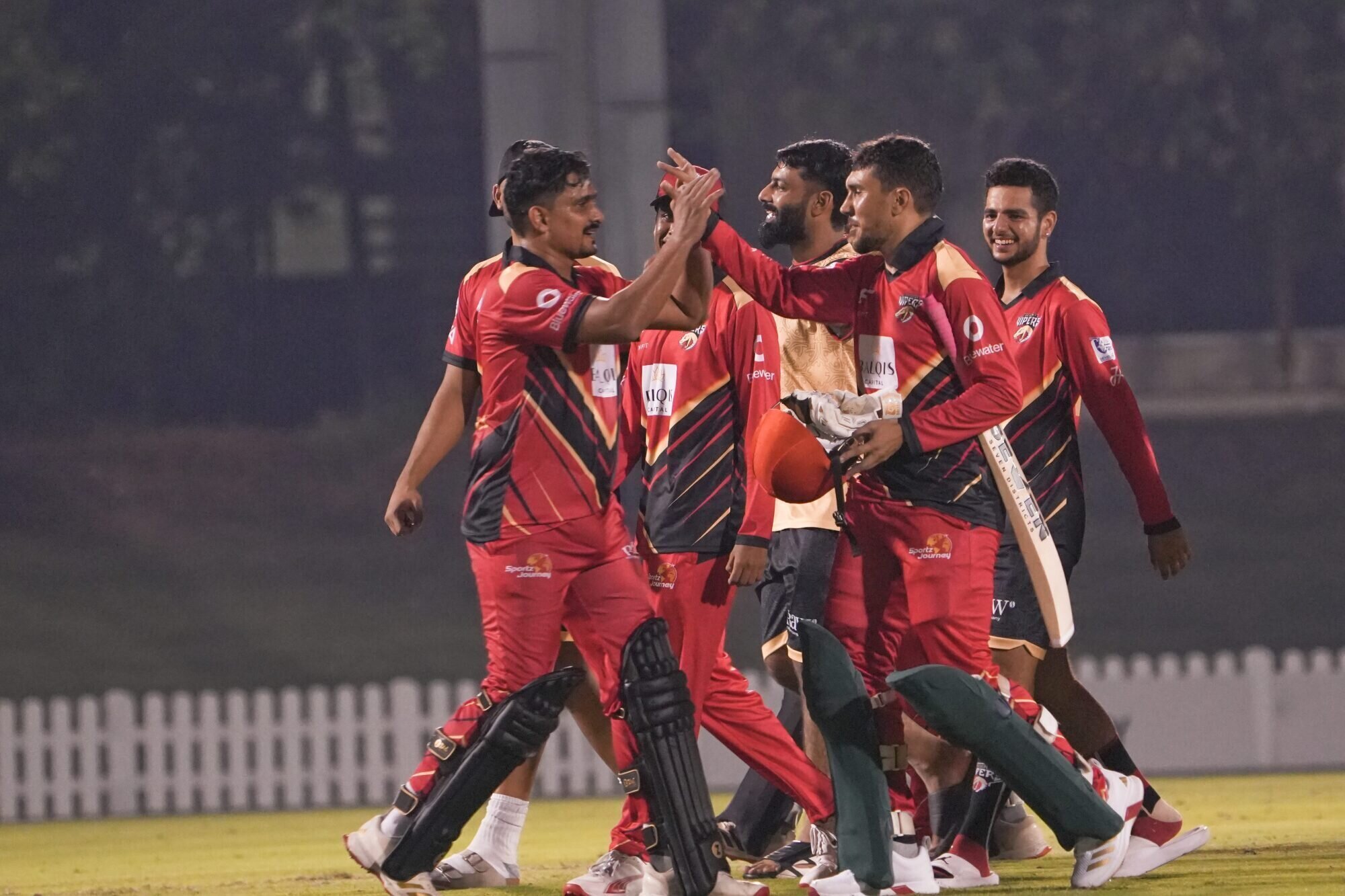
Reflections on Season 3

0

Season 3 of DP World ILT20 was a whirlwind of a tournament, with Desert Vipers four balls away from winning the entire thing. After falling short of our own expectations in Season 2, it was exactly the response needed, with players, coaches, and management staff giving it their all throughout a busy five weeks.

I (Ben Hardy-Jones, Sustainability Lead) arrived in Dubai in early January at our team base, JA Resorts. It was fantastic to be back for my second season with a professional cricket team and really special to be back in JA Resorts, which is a superb place to spend the winter. On the pitch we had some fantastic achievements from several key players, including Sam Curran, Mohammad Amir, Alex Hales, Max Holden, and so on. However, we don’t often hear about what happens off the pitch, so this blog is going to pick out some of my personal highlights from the season. In addition, it will provide some reflections upon where we can improve going forwards – because sports is all about improvements, and it will finish with a nod to what’s next over the coming months in the off-season before Season 4.

Season Highlights

Highlight 1: Sustainability Match

For me, the key highlight of the season was our flagship Sustainability Match held on the 18th of January at Dubai International Stadium versus Abu Dhabi Knight Riders.

Our inaugural Sustainability Match took place last year, and this year was an opportunity to build upon initiatives from last year. This year the focus was on three things:

The day was a fantastic success, beginning with activities in the Fan Zone with our Sustainability Impact Partner, Carrefour MAF, where we also undertook a ‘Wake and Shake’ with some of our Schools Programme participants.

After the activities in the Fan Zone, the management team headed up to the Grand Lounge hospitality area, where we networked with sustainability professionals from a range of industries. Some of these guests were attending their first ever cricket game, while some were massive fans, so it was brilliant to be able to share the celebrations around cricket and sustainability and chat to people in a very informal way about the work that we’re doing.

Of course, we managed to win on the pitch, which is always fantastic, with Luke Wood the Player of the Match (and so winning the WOODen trophy—a personal favorite moment of mine) taking the Catch of the Season with David Payne. This allowed them to both win a bicycle as part of the League’s sponsorship with The Cycle Hub, and it was fitting that this catch came during the Sustainability Match, with cycling a particularly sustainable mode of transport!

Highlight 2: Palmfit Kit

Throughout the season, Desert Vipers did something rather different and unique with their kit, becoming the first top tier cricket team in the world (we believe!) to play a full season using kits made out of fully recycled materials. This was made possible through our partnership with Palmfit, a UAE-based apparel brand who worked with us to create ‘The Viper Line’.

Switching to fully recycled materials reduced the carbon footprint of our kit by 51%. Furthermore, this kit was made locally which reduced the transportation emissions (and so the overall emissions by a further 8%), meaning our total saving by switching to Palmfit was nearly 60%!

Working with a proactive brand like Palmfit allowed us to be creative. One of my key highlights was gifting Wanindu Hasaranga a special jersey with the number 300 on the back after he had taken his 300th T20 wicket the previous match. This was only possible because we used a local partner, where we were able to manufacture the jersey with a very short notice period.

As with all kits, we encountered some challenges, but working with a supportive organization in the same country as us meant we were able to overcome any difficulties. Overall it was a superb season, and clearly performance was positively affected by this new, higher-performance kit, as we managed to go several steps better than last season.

Highlight 3: Sustainability Partners

The final highlight of the season for me was our sustainability partners. We were able to build upon our successes last season with Sustainability Partners, having a total of 10 Sustainability Partners and Suppliers spanning a range of industries and products.

As a sports franchise that doesn’t own their own stadium or team hotel, it’s really imperative that we work with organizations that have solutions or have sustainability credentials that we can champion because we believe that they are better for people and the planet.

I’ve already mentioned how we worked with Carrefour at the Sustainability Match; this was a campaign centered on choosing healthy food and drinks at the supermarket. This is crucial, as a recent Lancet Report found that over 50% of the global population will be overweight or obese by 2050, so encouraging individuals to ‘Choose Better’ is key.

Our partnership with Bluewater as our Sustainable Hydration Partner continued this season. This was really fantastic, because retained players got right back into the swing of things in using their reusable water bottles and we had no problems with new players switching to reusable bottles.

As mentioned above, Palmfit allowed us to reduce emissions from kit, and we were pleased to work with JA Resorts to reduce the footprint of our hotel stay and showcase some of the sustainability initiatives implemented there.

Our partnerships with The Plastic Pledge and Bat For A Chance continued, and we’re excited to be working with them during the off-season to encourage schools and organizations to reduce their plastic usage and to donate used cricket kits and equipment to those in need.

Finally, we had three Sustainability Suppliers this year: Detrash, Minimalist (Official Sunscreen Partner), and ElphaTap, all of whom supplied useful products to help the team reduce its environmental impact across day-to-day items.

What’s Next?

As always with any sports team and any organization, areas of improvement always need to be identified. We are currently undertaking our carbon footprint data collection for our report, and we will identify where we can improve. Of course, being a franchise team, we have limited control, but we were pleased in how we can spread positive messages and work with partners. We look forward to continuing our work with sustainability and team partners across the coming years, as well as working more closely with our home stadium and team hotel.

Finally, this is the last in this first series of blog posts, with the blog taking a new direction. This exciting next series of blog posts is made possible because of a partnership with Carbon Happy World, our sustainability agency that has been assisting us over the past few years with all things sustainability-related. Carbon Happy World is joining the team as a Sustainability Supplier, and will provide expert insight and analysis to various sports and sustainability topics in the new blog series, and we are excited to publish our first co-authored blog very soon!
Sustainability Spotlight – Detrash

This Sustainability Spotlight features a fantastic company that uses recycled steel and ocean plastic to create unique and luxurious watches. Detrash, which was founded by Guy Blaskey, provided one special watch to Desert Vipers this season, which was the winning prize for the Viper of the Year. The prize went to Nirm Thanabalasingam, who provided fantastic support to our players in the treatment room during the season, as well as always smiling and being supportive and positive. I can think of no one more deserving of this prize and I hope Nirm appreciates this special watch. If you would like to buy your own Detrash watch, please head to https://detrash.com/, where you can buy watches that not only look stylish, but are good for the planet.